
As part of intensified cooperation between the Vinča Institute of Nuclear Sciences and the European Organization for Nuclear Research (CERN), a group of Institute employees has travelled to Geneva for several months of professional training and work engagement. The programme is being implemented under a dedicated cooperation agreement between the Vinča Institute and CERN and represents an important step forward in strengthening the Institute’s technical capacities, as well as Serbia’s overall participation in international science and technology projects.
Vinča technicians and specialists are taking part in months-long work in CERN’s complex, multicultural and strictly procedure-driven environment, within teams bringing together experts from around the world. The programme includes personnel whose roles are crucial to the construction and modernisation of technologically highly complex facilities.
The cooperation envisages that, in the period 2026–2030, the Institute’s staff—organised in groups— can be deployed to work and obtain trainings at CERN for an average of nine months per year. After a longer hiatus, this renews and further strengthens the Vinča Institute’s technical collaborations within the most important international projects in the field of high-energy physics and associated technologies.
The current engagement is related to activities on the CMS experiment and the upcoming upgrades associated with the transition of the Large Hadron Collider (LHC) to high-luminosity operation (HL-LHC). The LHC is planned to enter shutdown, starting in June and running until early 2030, during which extensive work will be carried out on the installation, assembly and testing of upgraded detector systems, both above ground and at the final underground location.
In October 2025, the first group of five Institute employees had already been engaged at CERN: accelerator expert Aleksandar Živanović and technical associates Željko Paklar, Nebojša Samardžić, Ivan Srećković and Nikola Hinić, who are participating in preparatory work and in the installation of new underground infrastructure at the future location of the upgraded CMS detector. The engaged technicians have demonstrated a high level of professionalism, thoroughness and work discipline, receiving positive feedback from their colleagues at CERN. The programme also has broader developmental significance: it enables the transfer of knowledge and working standards, the enhancement of professional competencies, and the strengthening of the Institute’s international visibility. In this context, there is potential for further expansion of cooperation into engineering and other applied fields.
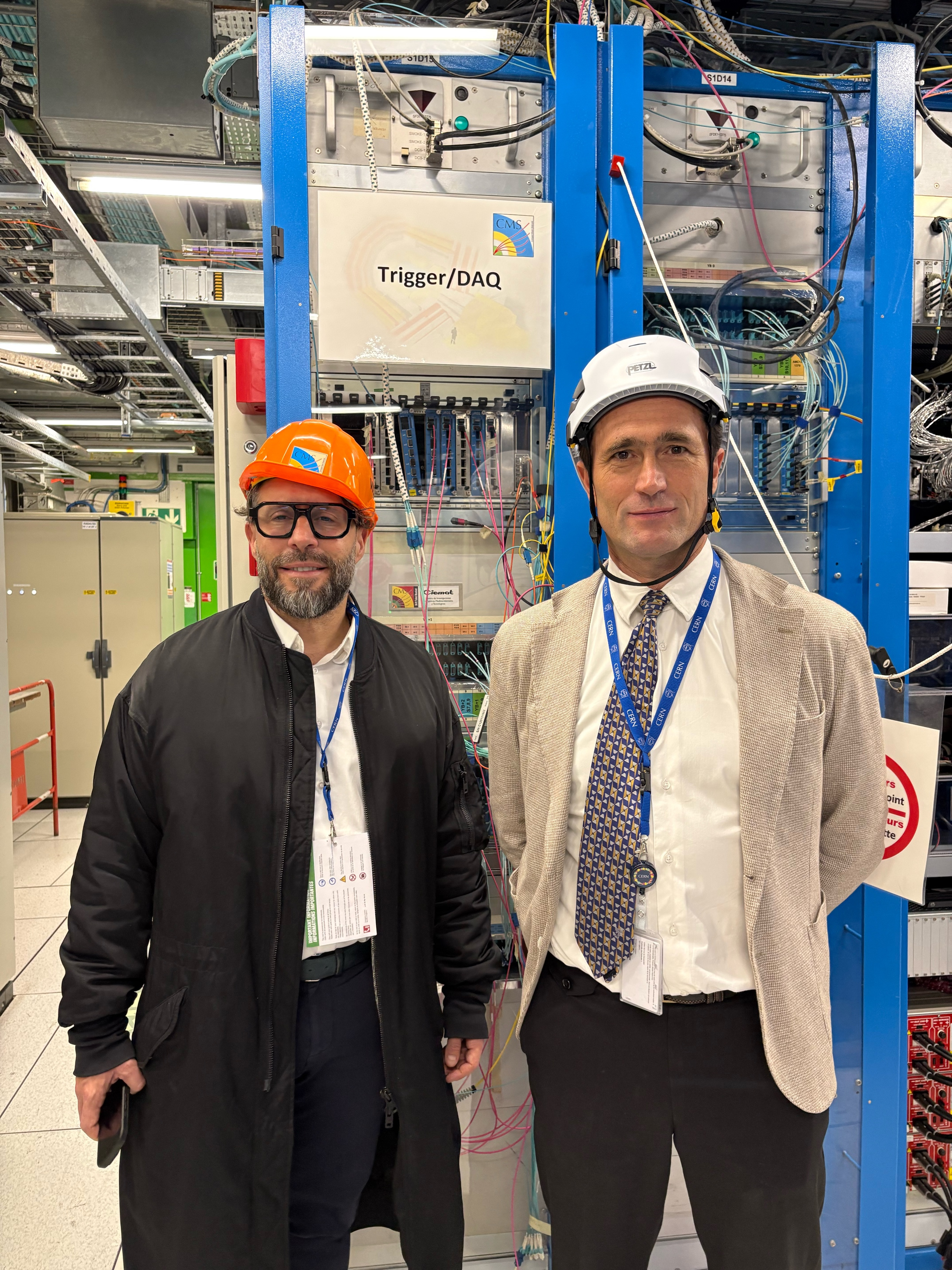
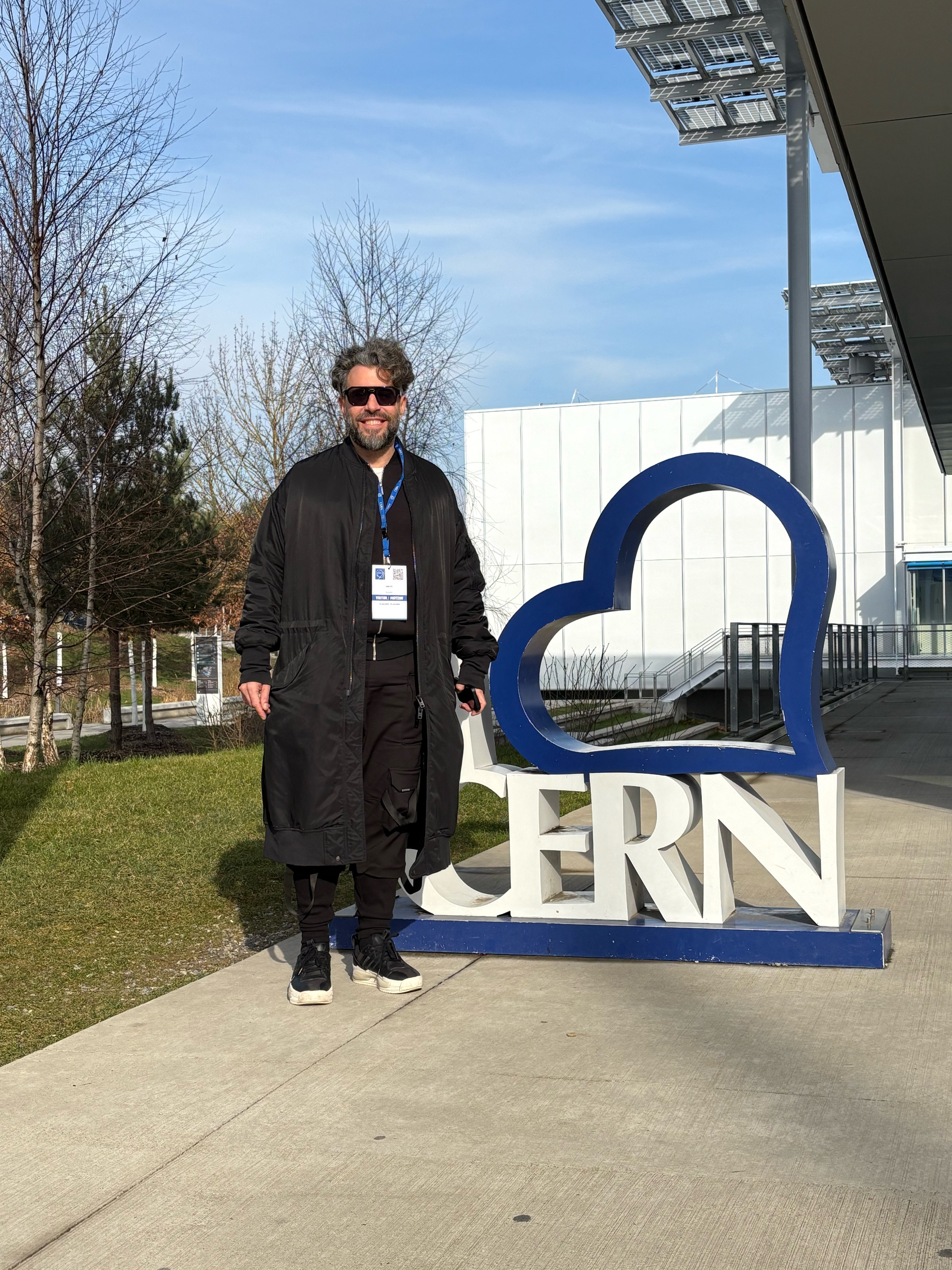
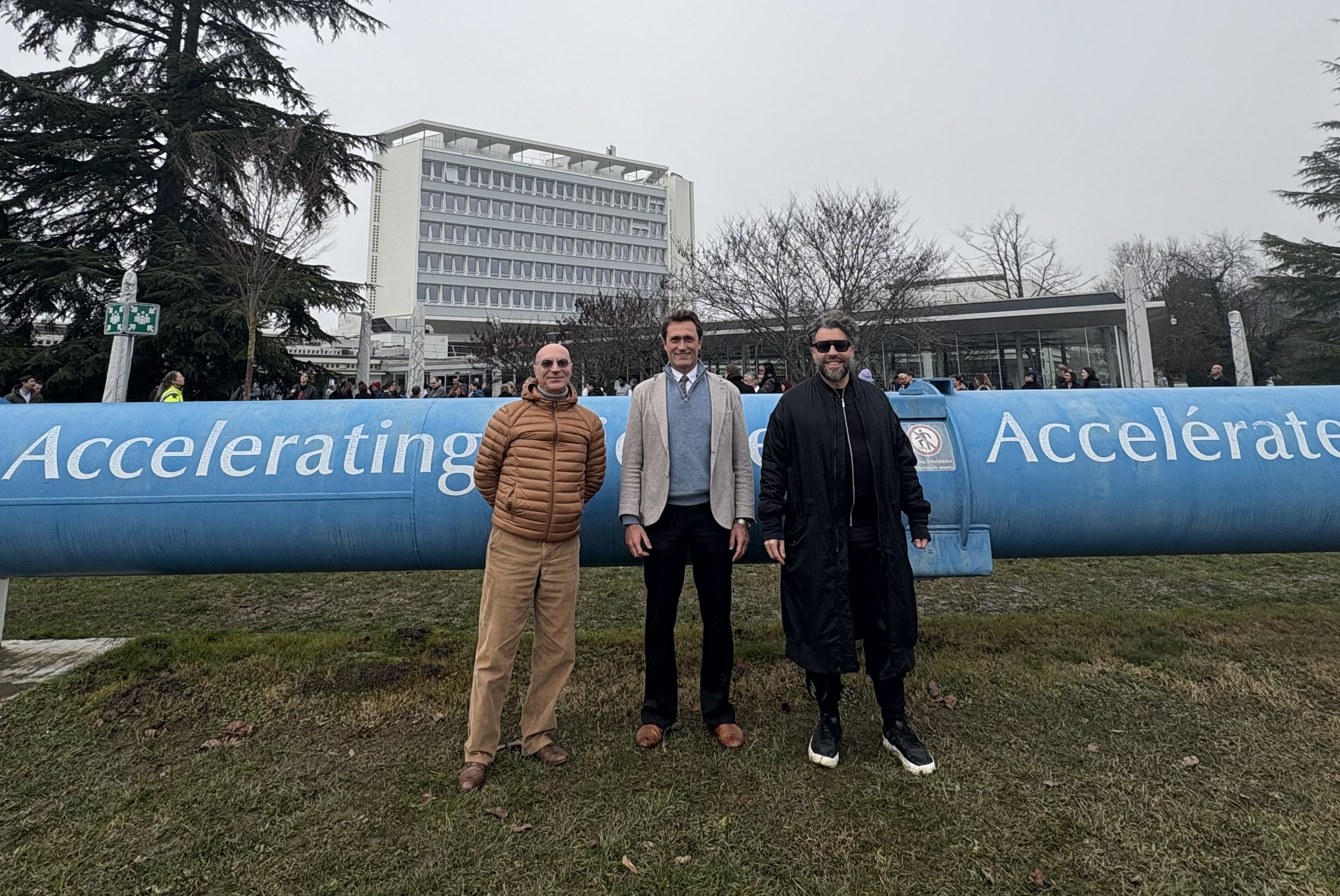
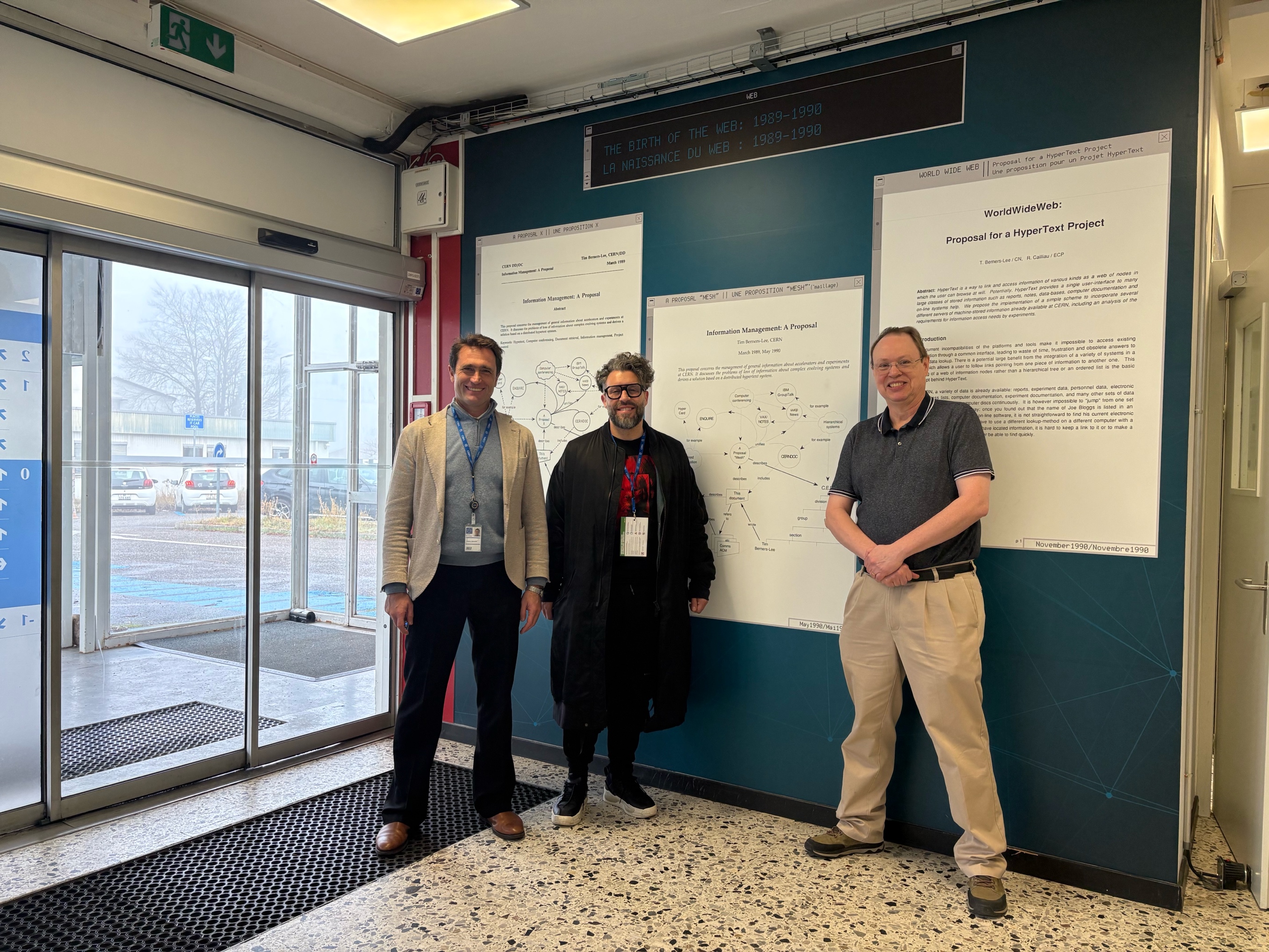
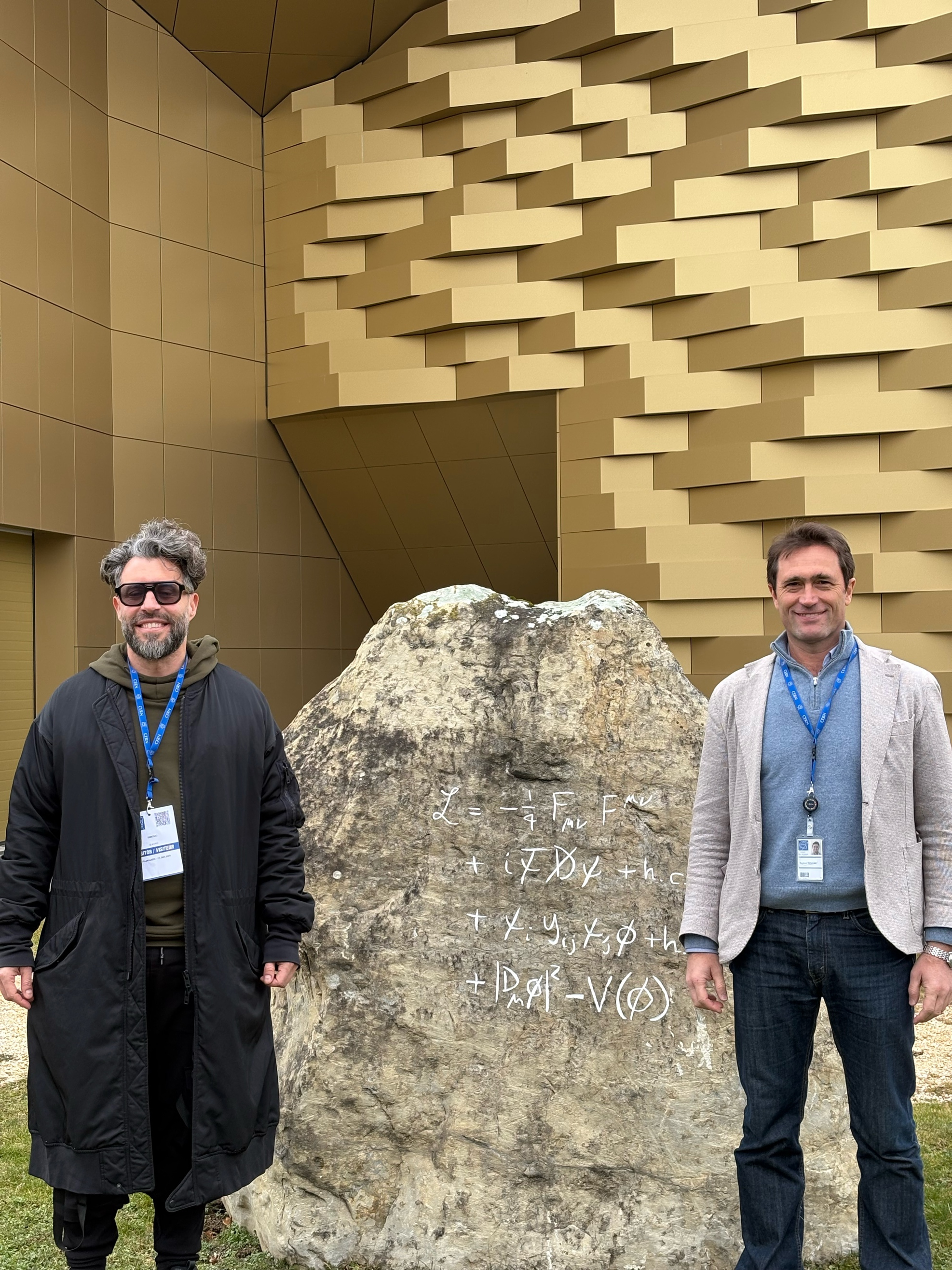
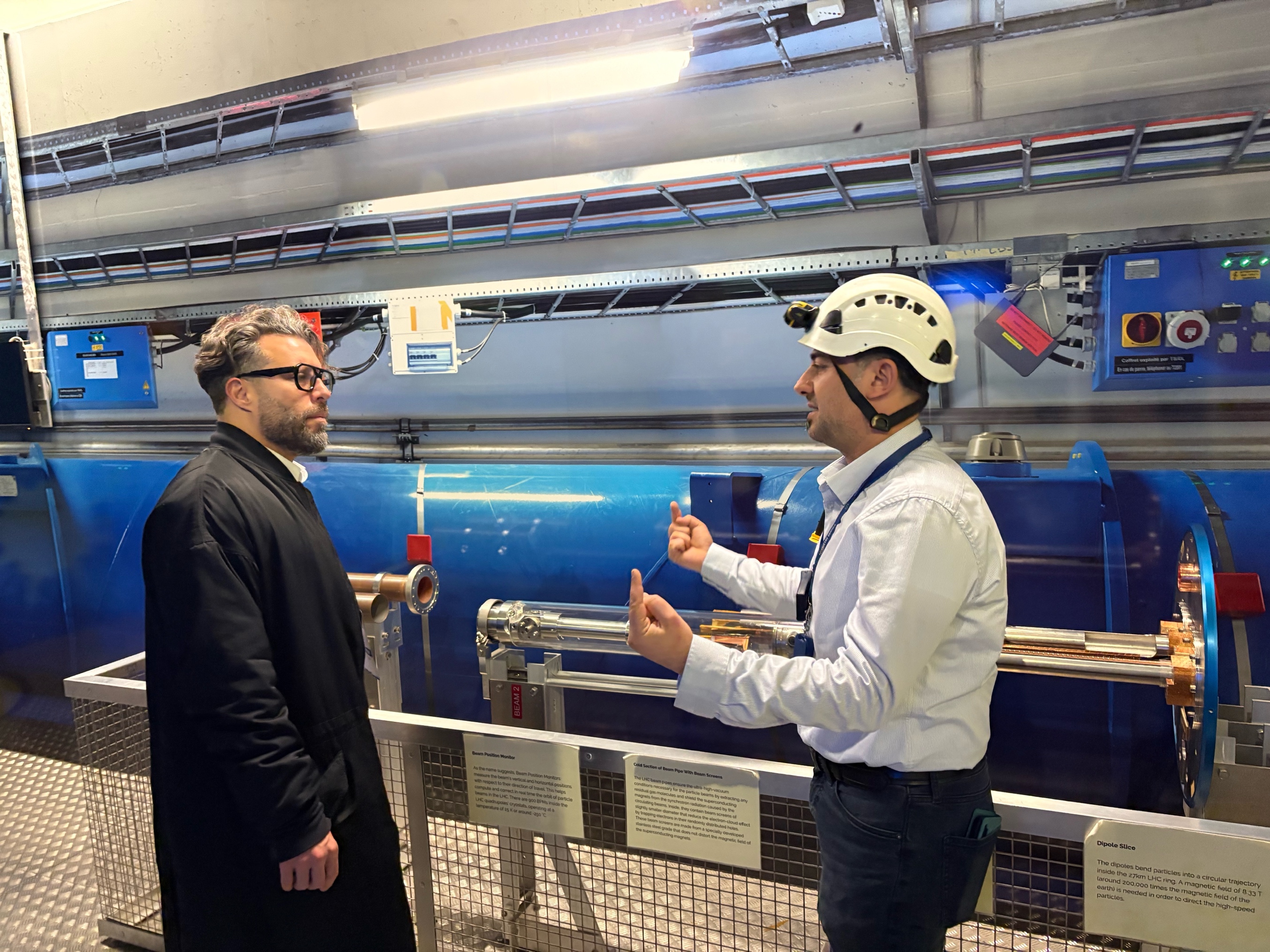
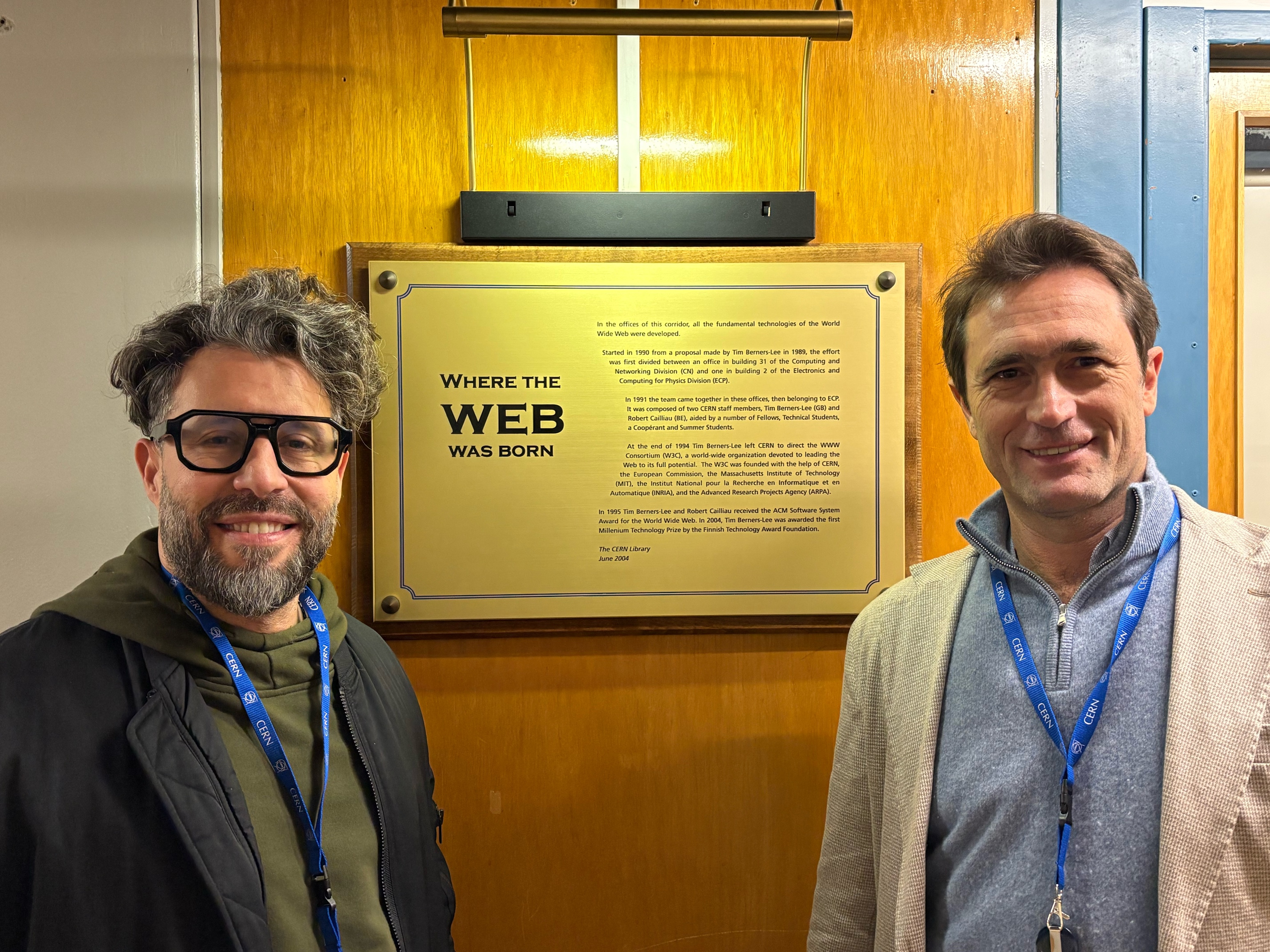
The Institute’s Director, Dr Slavko Dimović, visited CERN on January 16th, hosted by Prof. Dr Vladimir Reković, head of the Vinča CMS group at CERN. During the visit, the Director toured the LHC accelerator complex, the CERN Data Centre, infrastructure facilities, working laboratories, experiment control rooms, the CMS experimental facility (100 m underground), Vinča staff engaged at CERN, exhibition areas, and the Science Gateway museum.
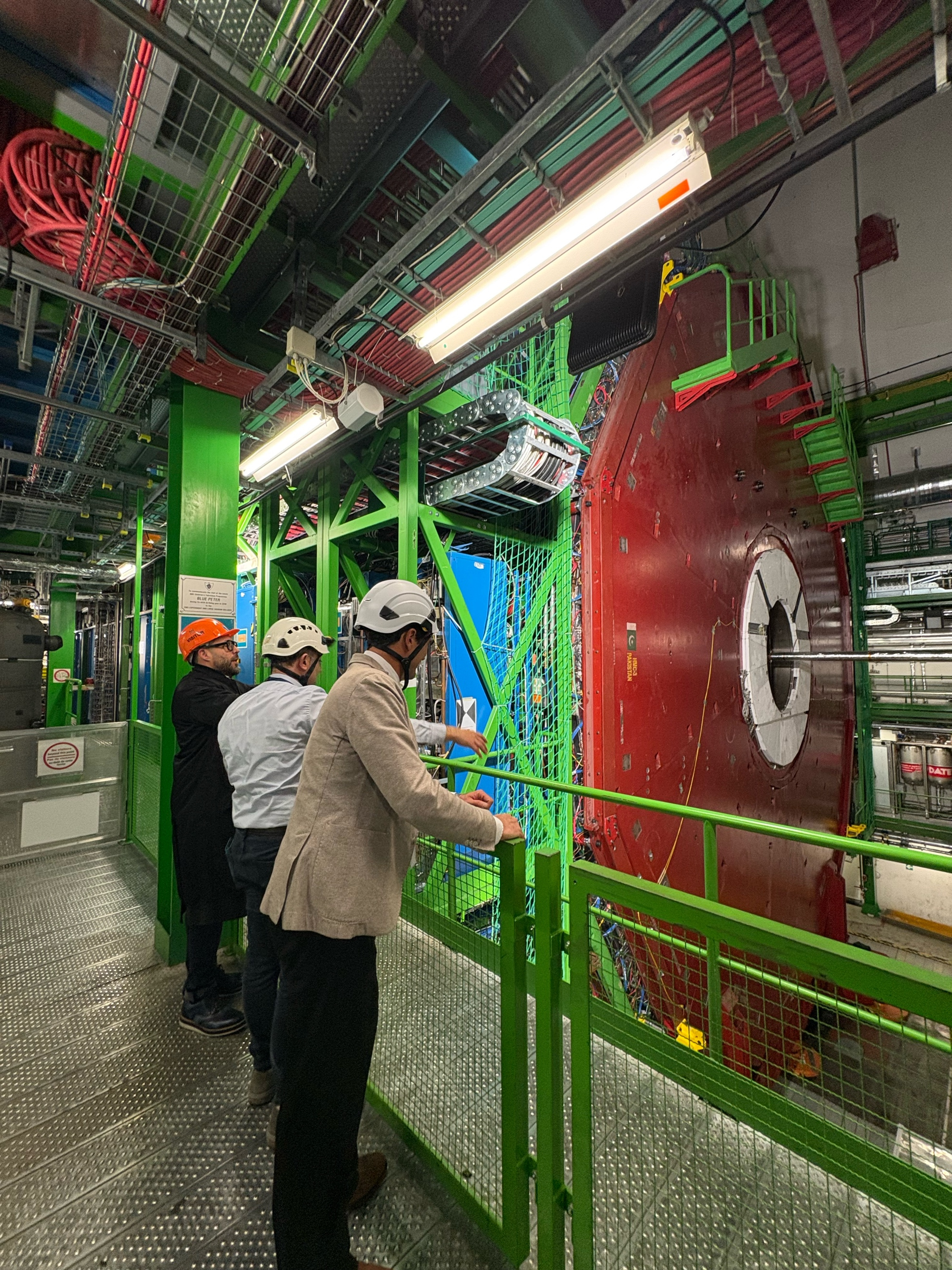
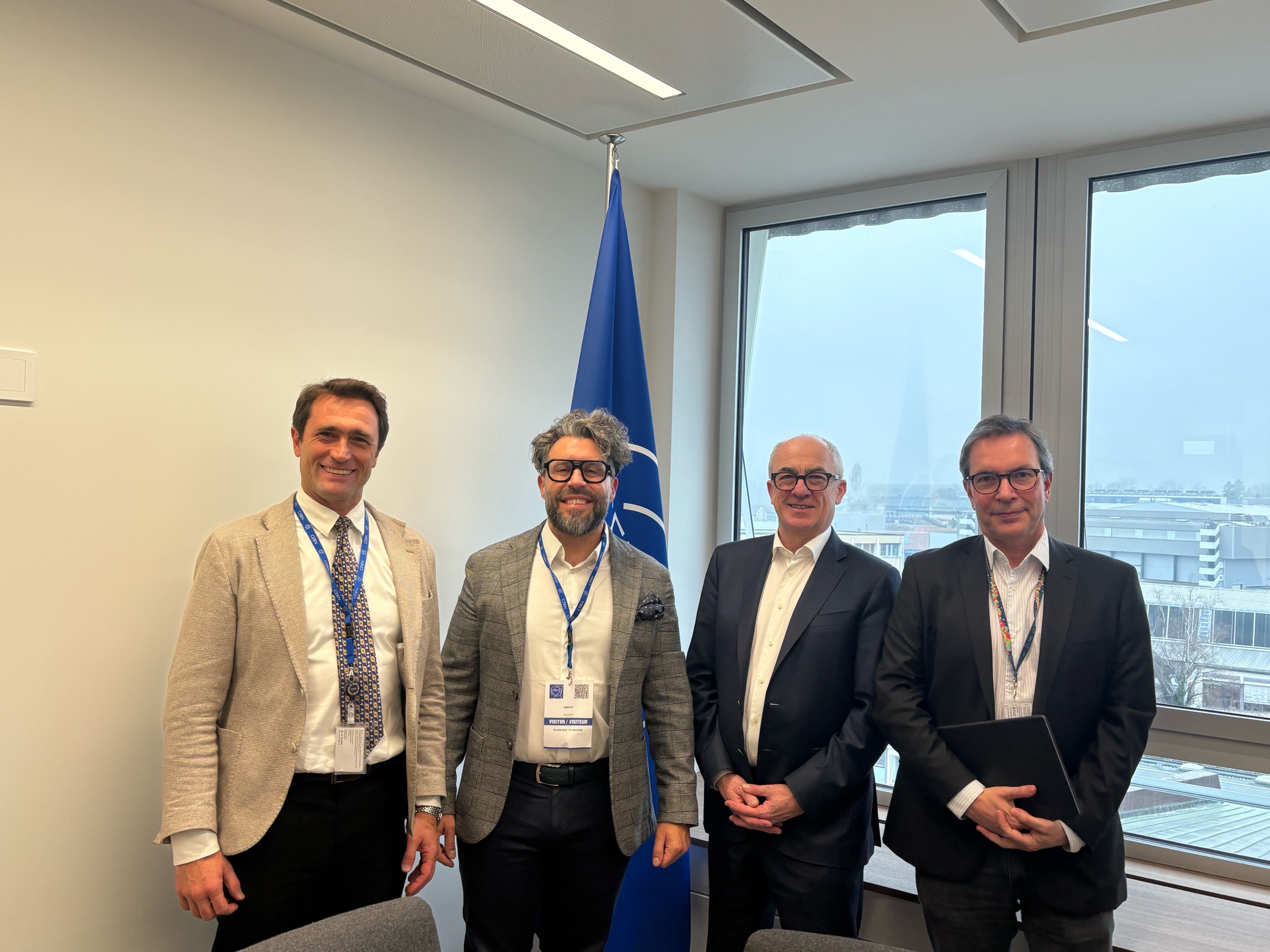
Several important meetings were also held. At a meeting with CERN’s highest-level management—attended by Prof. Dr Mark Thompson, CERN Director-General, and Dr Gautier Hamel de Monchenault, Director for Research and Computing—participants discussed further strengthening institutional cooperation and new opportunities for joint work. A meeting was also held with Dr Andrea Gaddi, whose role is to coordinate the CMS experiment. The discussions covered the ongoing engagements of Vinča technical staff within the CMS experiment.
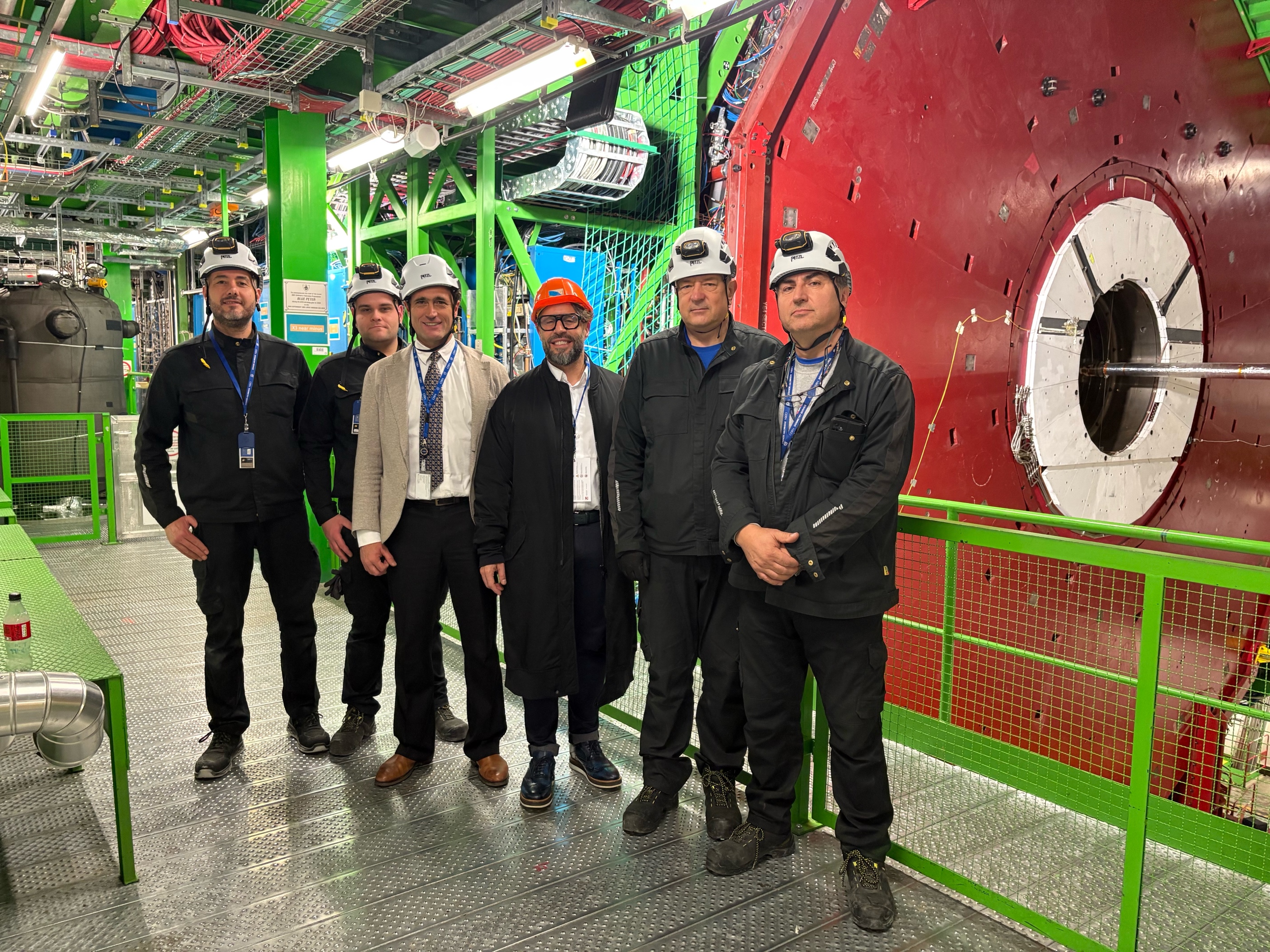
Months-long work by Vinča specialists in international teams brings new knowledge and working standards that directly strengthen the Institute’s technical competencies and increases the robustness of its scientific team at CERN. The positively recognised results increase Institute's visibility and create space for longer-term partnership and for expanding cooperation into additional applied areas.
More details are available in an interview with Prof. Dr Vladimir Reković published in Politika, at the following link:
https://www.politika.rs/sr/clanak/725096/vin-can-ski-teh-ni-ca-ri-sti-cu-rad-no-is-ku-stvo-u-cern-u